
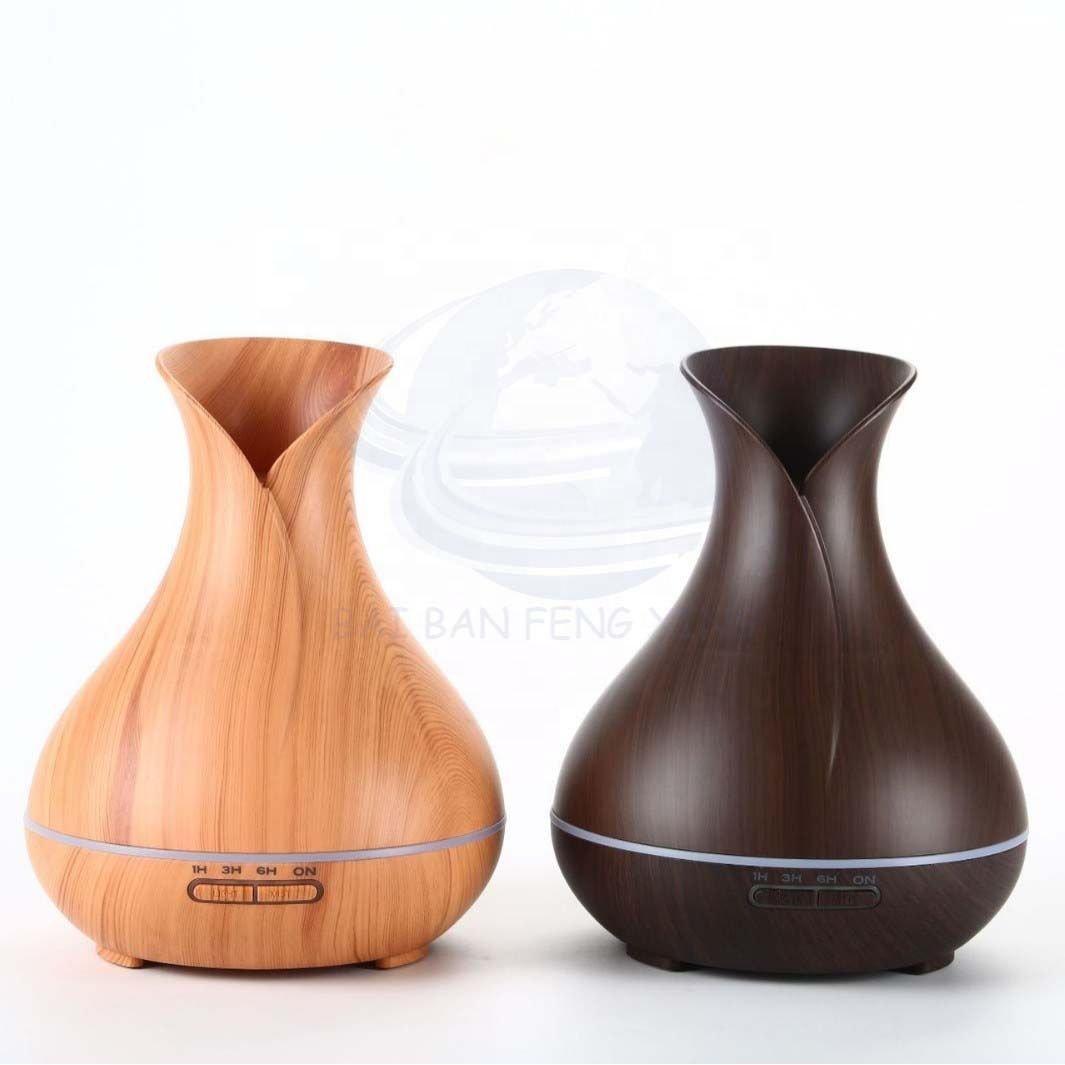
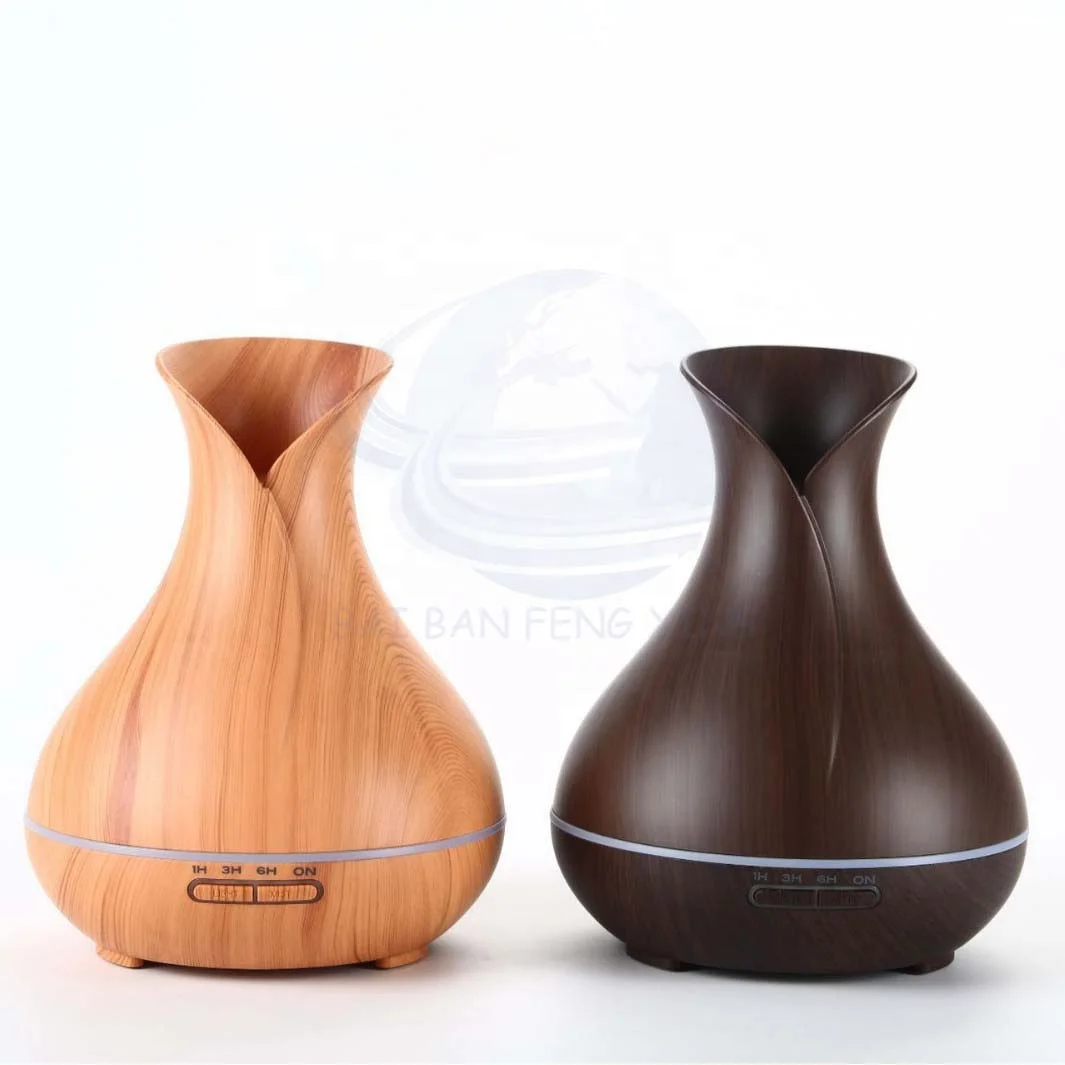
For buyers evaluating an ultrasonic essential oil diffuser, model FX-25X27A combines humidification and aromatherapy in a freestanding body. As a wood grain humidifier, it offers the stated wood-grain finish and two listed colors. Moreover, its USB connection allows use with a USB power source. The supplier positions it for hotels, spas, households, offices, public spaces, and hospitals.
However, the supplier facts do not provide verified dimensions, runtime, noise levels, or included accessories. Therefore, buyers should confirm those details before approving a bulk order. The result is a practical ultrasonic essential oil diffuser checklist for commercial and residential purchasing teams.
Design Strengths and Intended Settings
First, consider how the product fits the buying environment. A freestanding format suits buyers who want flexible placement without fixed installation. Moreover, the combination of design, mist, and light creates several approval points. Therefore, review the following benefits as procurement criteria rather than isolated selling points.
- Dual function: Humidification and aromatherapy address two needs within one product category.
- Ultrasonic mist: Ultrasonic operation produces a fine mist through the supplier-described mute mechanism.
- Freestanding setup: The stated installation format supports flexible placement across suitable indoor settings.
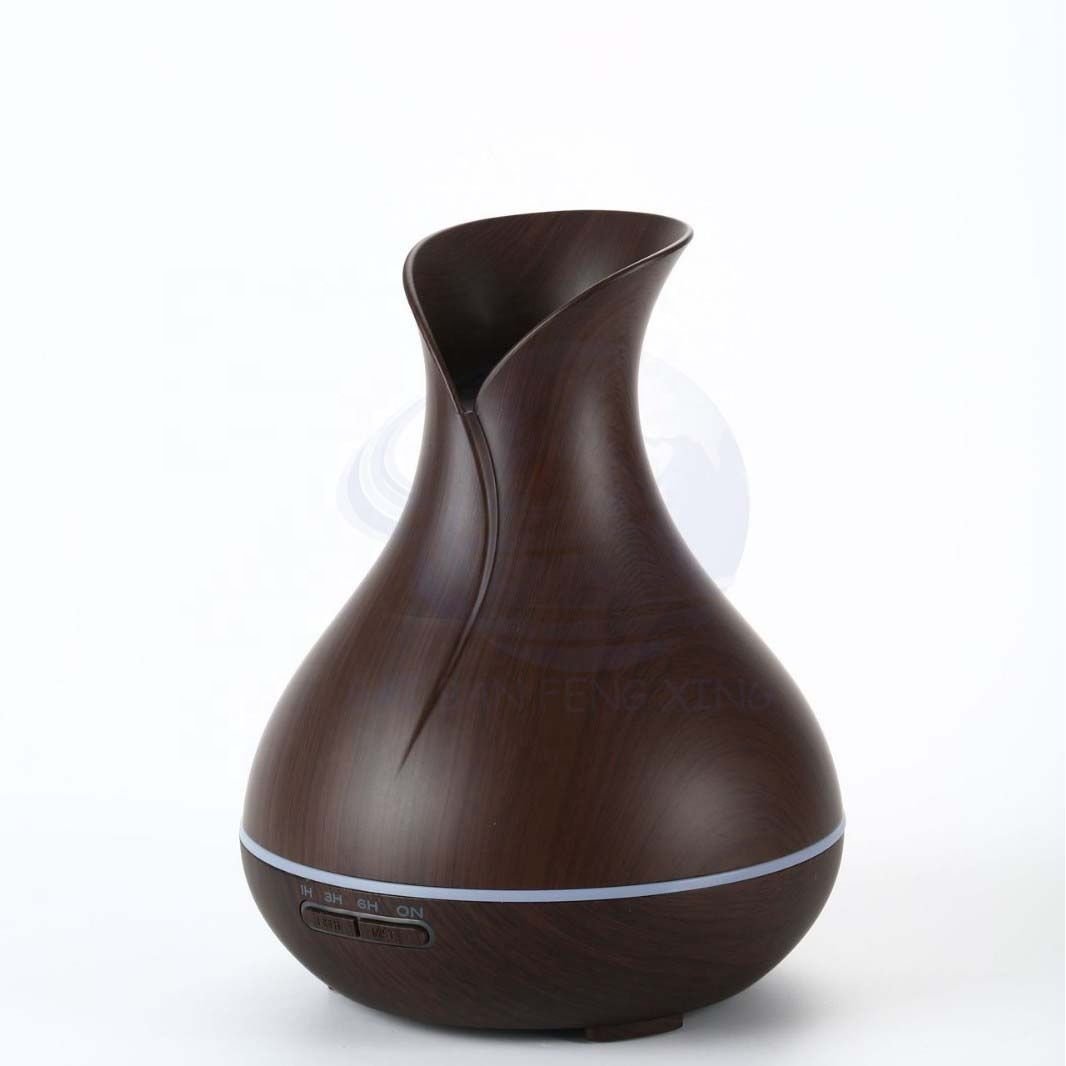
- Material and finish: The ABS+PP plastic body carries a wood-grain finish in light wood or brown.
- Built-in light: The integrated light adds visible output to the diffuser.
For instance, hotel buyers can assess guest-room presentation, whereas household buyers can consider a bedroom or living area. Furthermore, spa buyers can review whether combined mist and fragrance functions suit their intended setup. Consequently, the strongest fit depends on placement, power access, and branding requirements.
Power, Capacity, and Controls for an Ultrasonic Essential Oil Diffuser
Second, confirm the operating details that affect deployment. The specification summary below consolidates the stated capacity, power, controls, and commercial terms. Moreover, each row includes a buyer verification point, so assumptions can be identified before ordering.
| Specification | Documented product fact | Buyer verification point |
|---|---|---|
| Model | FX-25X27A | Match the model on the quotation and purchase order |
| Capacity | > 200 mL | Confirm fill capacity and reservoir access |
| Rated power | 10W | Confirm the compatible USB power arrangement |
| Power sources | USB, electric, battery | Clarify adapter and battery requirements |
| Plug type | USB | Confirm the required connection and supply details |
| Batteries included | No | Provide suitable batteries separately if required |
| Humidity control | Mechanical | Test adjustment during the sample review |
| App control | No | Exclude app-based operation from the brief |
| Timing function | No | Plan around manual operation without timed claims |
| Remote control | Listed among features; inclusion unclear | Confirm the accessory and control method |
| Minimum order quantity | 10 units | Align the purchase quantity with the requirement |
| Origin and sourcing | China; factory-direct manufacturer | Confirm quotation and commercial terms directly |
| Listed price | USD 7.2 | Confirm the price basis and included items |
| Packaging | Color box | Approve the final packed presentation |
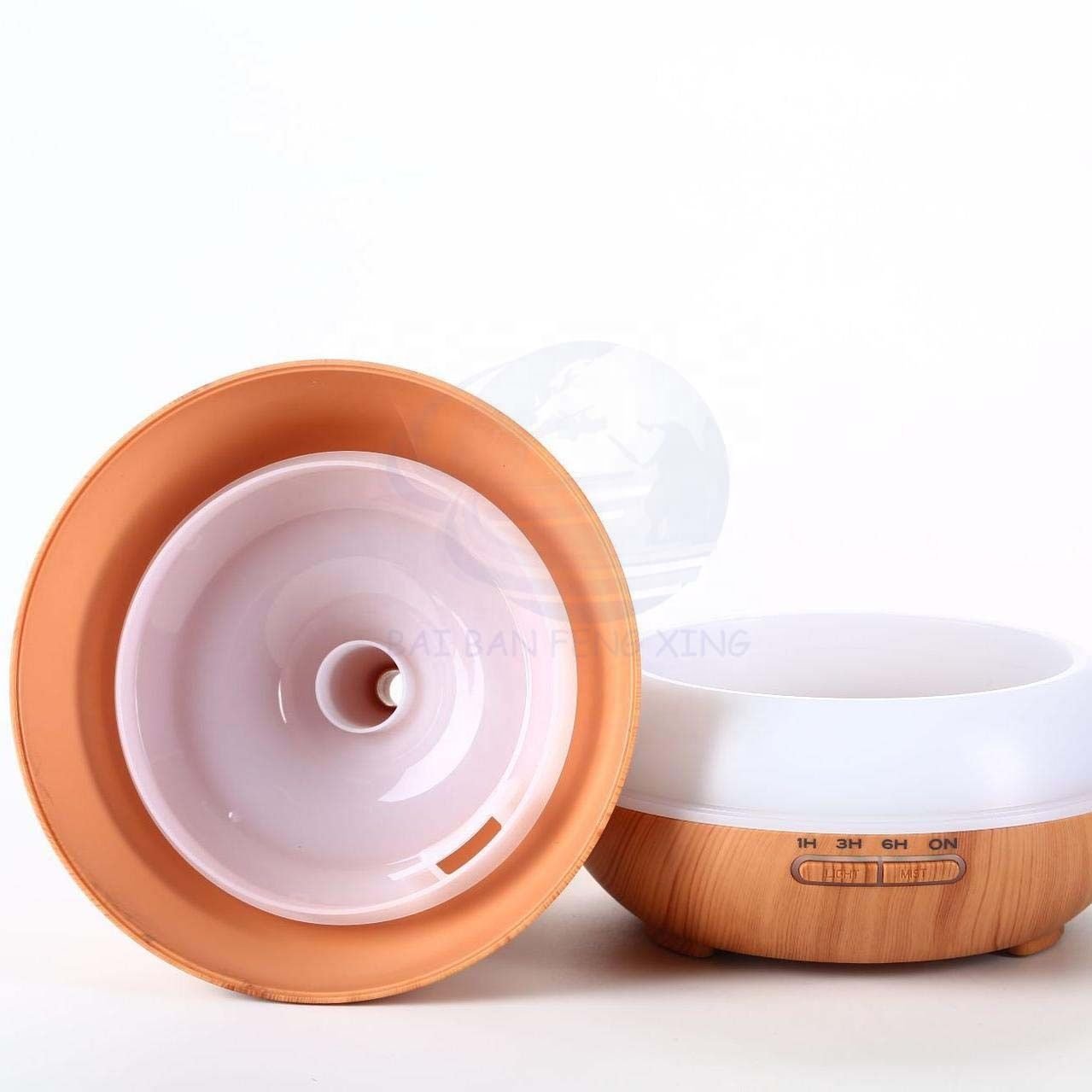
Because batteries are not included, define the power arrangement before shipment. Therefore, buyers searching for a USB aroma diffuser should plan for a USB connection explicitly. Meanwhile, app control and a timer are excluded, so operational promises should match the mechanical controls. The remote-control listing also needs clarification before it enters any quotation.
Moreover, the supplier lists the unit at USD 7.2, but the commercial basis of that figure needs confirmation. Accordingly, buyers should check whether it includes customization, packaging, taxes, and freight. No delivery schedule appears in the product facts, so obtain that separately.
The product is sourced factory direct from a manufacturer in China. Therefore, request a quotation that states the model, MOQ, customization, and packing terms.
Finishes, Branding, and Packaging
Third, evaluate appearance and order presentation. For private-label programs, use the documented customer-logo and private-label options as the starting scope. Additionally, approve the selected finish against a physical sample. Color-box packing defines the presentation format, while the MOQ sets the stated minimum order quantity. However, artwork method and color matching remain items to confirm.
Moreover, the specification sheet labels the product eco-friendly and lightweight, yet it provides no weight or environmental standard. Therefore, treat both descriptions as supplier attributes rather than independently verified claims. Likewise, request a physical sample to compare the chosen finish, light, mist output, and overall appearance.
Before production, confirm logo method, artwork dimensions, placement, and color-box requirements. However, these are approval points rather than confirmed supplier capabilities beyond the stated options.
Placement Across Hotels, Homes, Offices, and Public Spaces
Fourth, plan placement around the environment and operating routine. Because the installation is freestanding, teams can position the unit on a suitable stable surface. However, keep the mist path clear of walls, furnishings, and electronics. Moreover, select a location where the built-in light remains appropriate for the setting.
- Hotel rooms: Check the visual finish, light visibility, scent preferences, and local operating policies before rollout.
- Spa settings: Review fragrance presentation and the balance between humidification and aromatherapy for client areas.
- Homes and bedrooms: Choose a stable bedroom or living-area position only if it suits room layout and power access.
- Offices: Place the diffuser where fragrance and light will not interfere with shared work routines.
- Public spaces and hospitals: Confirm institutional approval, sanitation procedures, and policy requirements before deployment.
Meanwhile, remote-control listings should be reconciled with each site's setup. For instance, a centrally managed hotel may need a confirmed control method, while a home buyer may prefer manual operation. Furthermore, battery capability should not enter a plan without providing suitable batteries separately.
Because this is a diffuser with light, buyers should evaluate the lit appearance rather than only the mist. Therefore, an on-site sample review is valuable across every placement.
Procurement and Verification Checklist
Fifth, use a written approval checklist before placing an order. This prevents assumptions about controls, accessories, dimensions, or commercial inclusions. Moreover, it gives the supplier a clear list of items to confirm.
- Identity: Confirm model FX-25X27A and the essential oil diffuser category.
- Capacity and power: Verify above-200 mL capacity, 10W rating, USB plug type, and the intended power source.
- Controls: Record mechanical humidity control, no app, no timer, and any supplied remote.
- Accessories: List the USB connection, batteries, adapters, and any remote separately.
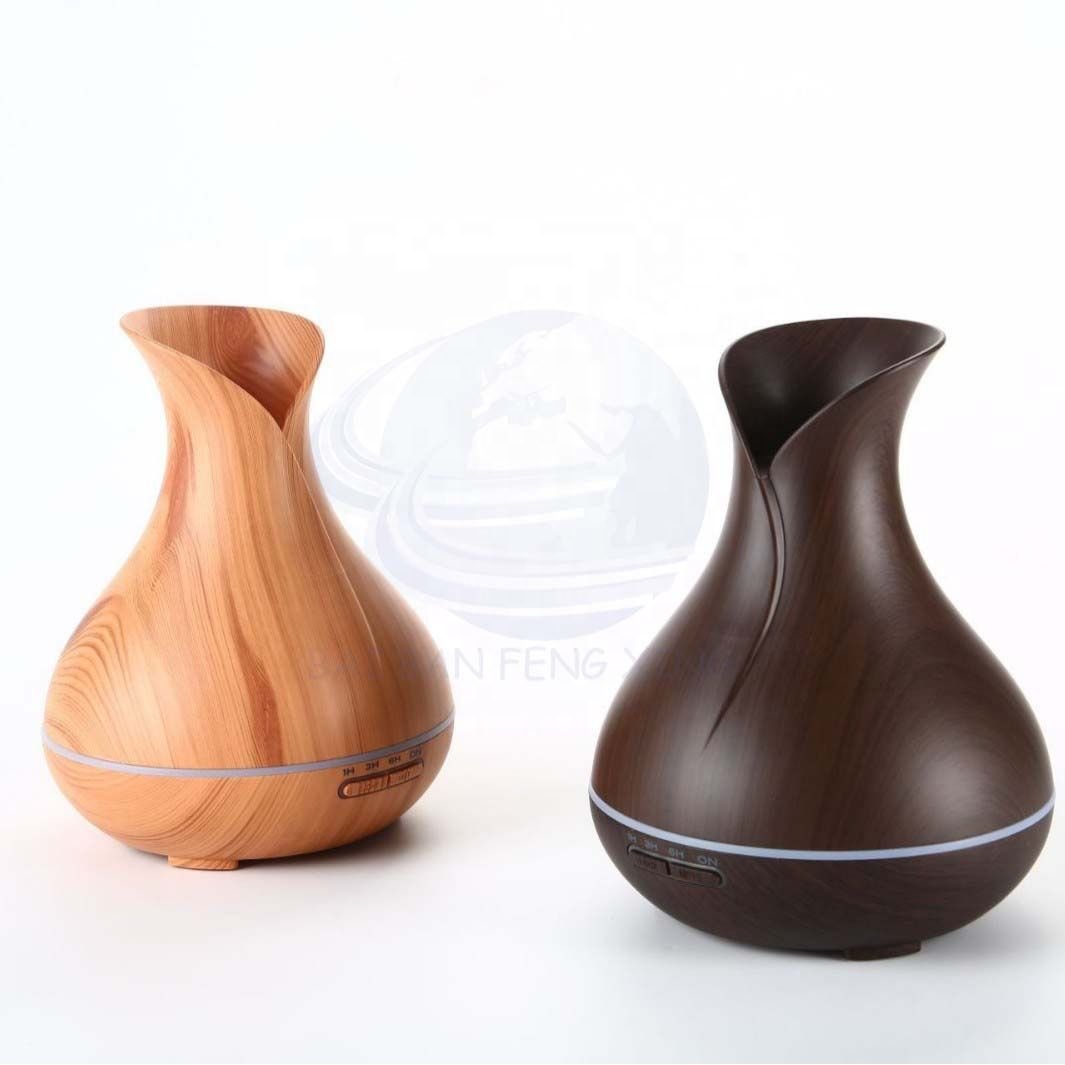
- Appearance: Approve the selected wood-grain finish, built-in light, and customer-logo artwork.
- Operation: Ask for runtime, noise information, dimensions, and weight because the facts omit them.
- Commercial terms: Confirm the USD 7.2 price basis, MOQ, color-box packing, production timing, and freight terms.
- Use-site approval: Review scent, light, placement, and institutional policies for the intended setting.
For instance, ask the supplier to resolve every blank with a sample, photo, or written statement. Consequently, your team can compare the model against project needs before committing. Above all, do not treat “mute,” “eco-friendly,” or “lightweight” as substitutes for measured evidence.
In conclusion, the FX-25X27A merits review as an ultrasonic essential oil diffuser for varied indoor settings. For a confident purchase, secure a sample, written confirmation of missing specifications, and clear packaging and logo approvals. Therefore, proceed only when the supplier resolves the checklist for your intended venue. Overall, a structured verification round protects the buyer from assumptions and helps the unit fit the intended placement.
 01
 02
 03